The presence of a history of violence
Cultureblog
By Karine Vanthuyne

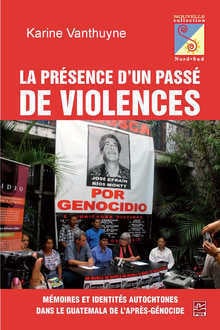
On May 10, 2013, in front of a packed courtroom in Guatemala City, Judge Jazmín Barrios found former General José Efraín Ríos Montt guilty of genocide and crimes against humanity. This book illuminates the limits of such so-called "transitional justice" projects through a "double ethnography," namely a long field investigation carried out both within the organizations that initiated the prosecution against Montt and among survivors of the Guatemalan armed conflict (1960-1996) who took part in it. Thanks to a close analysis of the tensions that play out between
the political imagination of human rights defenders and that of Maya peasants who have never known, and still do not know, the rule of law, it describes the obstacles to the democratization of societies that emerge not only from wars, but also from long histories of economic marginalization and political domination.